
Understanding the Link Between Habits and Mental Clarity
In a fast-paced world filled with constant distractions, maintaining mental clarity can feel like a daily challenge. Many people turn to productivity systems, meditation apps, or strict routines in search of focus. However, one of the most overlooked yet powerful ways to sharpen the mind lies in simple, consistent daily habits—particularly those rooted in the home. Cooking, often seen as a basic necessity, can become a structured ritual that enhances both clarity and discipline when approached with intention.
The act of preparing food requires attention, timing, and awareness. Unlike passive activities, it demands presence. When done regularly, it creates a rhythm that trains the brain to focus on one task at a time. Over time, this habit strengthens cognitive control, reduces mental clutter, and fosters a sense of accomplishment that carries into other areas of life.
Cooking as a Grounding Daily Ritual
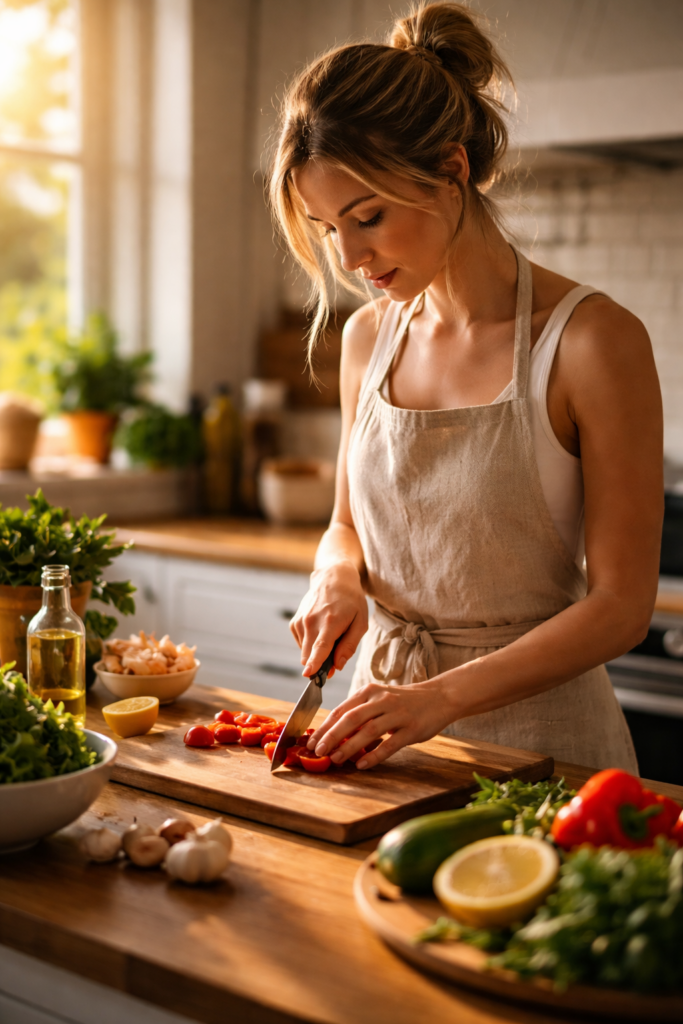
Establishing a daily cooking routine can serve as an anchor in an otherwise unpredictable schedule. It provides a clear start and end point, allowing the mind to transition away from stress and into a more grounded state. The sensory elements involved—textures, aromas, and sounds—naturally bring attention to the present moment, similar to mindfulness exercises.
For example, learning how to cook shrimp with care and precision can become more than just preparing a meal. It becomes a focused practice that encourages patience and attention to detail. Measuring ingredients, managing heat, and timing each step properly require deliberate action, reinforcing mental discipline in subtle yet meaningful ways.
Building Discipline Through Repetition
Discipline is not built through occasional bursts of motivation but through consistent repetition of small actions. Cooking regularly reinforces this principle. Each time you follow a process—from preparation to plating—you strengthen neural pathways associated with structure and follow-through.
Unlike abstract productivity goals, cooking offers immediate feedback. If you rush, the results suffer. If you pay attention, the outcome improves. This direct cause-and-effect relationship teaches accountability and encourages refinement. Over time, this mindset extends beyond the kitchen, influencing how you approach work, relationships, and personal development.
Consistency in cooking also builds resilience. Even when you feel tired or unmotivated, completing the ritual reinforces commitment. These small wins accumulate, creating a strong foundation for long-term habit formation.
Enhancing Focus Through Simplicity
Modern life often overwhelms the mind with excessive choices and constant multitasking. Cooking, when approached simply, provides a counterbalance. Focusing on a single recipe or technique reduces cognitive overload and trains the brain to engage deeply with one task at a time.
Preparing a meal step by step encourages sequential thinking. You cannot skip ahead without consequences, which naturally cultivates patience. This process mirrors other areas of self-improvement where sustained focus is essential.
By simplifying your cooking routines—using a few quality ingredients and clear steps—you create an environment where concentration can thrive. This simplicity becomes a form of mental training, helping you develop sharper focus in daily life.
The Role of Structure in Personal Growth
Structure is a key component of personal growth, yet it is often difficult to maintain without tangible practices. Cooking provides that structure in a practical and repeatable way. From selecting ingredients to following preparation steps, each stage contributes to a predictable framework.
This structure reduces decision fatigue. Instead of constantly deciding what to do next, you follow a clear sequence. Over time, this reduces mental strain and frees up cognitive resources for more complex tasks.
Moreover, structured routines create a sense of stability. In uncertain times, having a reliable daily ritual can provide comfort and control. Cooking becomes more than just nourishment—it becomes a stabilizing force that supports emotional and mental well-being.
Developing Patience and Attention to Detail
Patience is a skill that is increasingly rare in a world driven by instant gratification. Cooking naturally challenges this tendency. It requires waiting, adjusting, and observing. You cannot rush certain processes without compromising the result.
This practice sharpens attention to detail. Small adjustments—such as heat level or timing—can significantly impact the outcome. By learning to notice and respond to these nuances, you train your mind to be more observant and precise.
These qualities are transferable. Whether in professional tasks or personal relationships, the ability to pay attention and remain patient leads to better outcomes. Cooking becomes a training ground for these essential life skills.
Strengthening Mind-Body Connection
Cooking is not purely a mental activity; it also engages the body. From chopping ingredients to stirring and plating, it involves physical movement that reinforces coordination and awareness. This integration of mind and body enhances overall presence.
When you are fully engaged in the process, distractions fade. You become more attuned to your actions, creating a state of flow. This state is associated with improved performance, reduced stress, and greater satisfaction.
Practicing cooking techniques with precision can deepen this connection. The careful handling and timing required encourage a heightened sense of awareness, further strengthening the link between mental focus and physical action.
Turning Everyday Tasks into Growth Opportunities
One of the most powerful shifts in self-improvement is learning to see everyday tasks as opportunities for growth. Cooking, often considered routine, becomes a platform for developing discipline, focus, and mindfulness.
By approaching it with intention, you transform a basic necessity into a meaningful practice. Each meal becomes a chance to refine your habits, strengthen your mindset, and build consistency.
This perspective encourages continuous improvement. Instead of seeking dramatic changes, you focus on small, manageable actions that compound over time. Cooking becomes a daily reminder that growth is built through repetition and attention.
Conclusion: Small Rituals, Lasting Impact
Improving mental clarity and discipline does not require complex systems or drastic lifestyle changes. Often, the most effective strategies are rooted in simple, consistent habits. Cooking offers a practical and accessible way to build these qualities.
Through repetition, structure, and mindful engagement, it transforms into a powerful tool for self-improvement. By embracing cooking as a daily ritual, you create a foundation for greater focus, resilience, and balance in all areas of life.
In the end, it is not the complexity of the habit that matters, but the consistency with which it is practiced. Small rituals, when performed with intention, can lead to lasting transformation.