
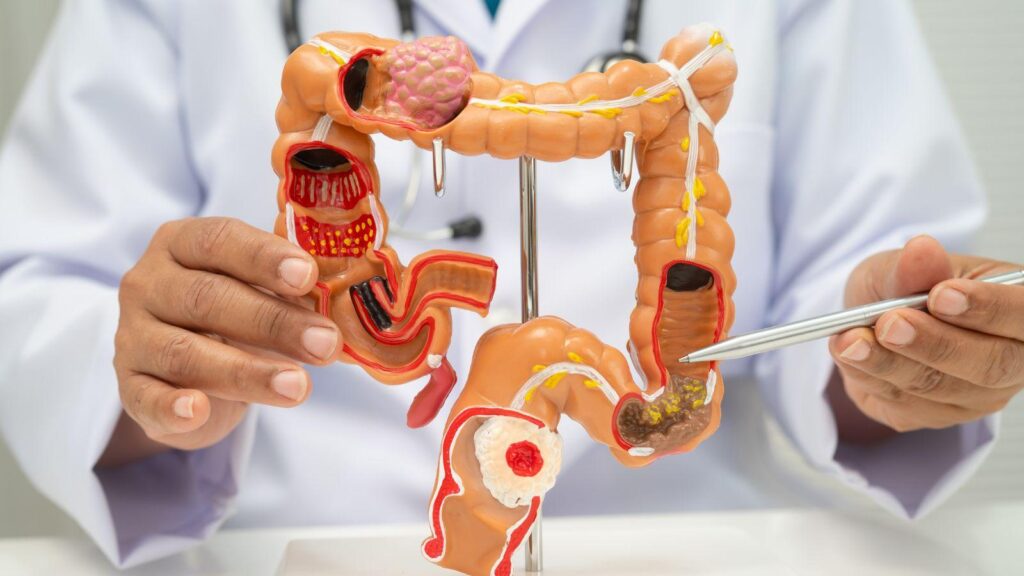
Colon health is often overlooked until problems arise, yet it plays a central role in how the body processes waste and maintains balance. A healthy colon helps remove toxins efficiently, supports beneficial bacteria, and contributes to overall comfort and energy levels.
Understanding how lifestyle choices affect the colon can help prevent common issues and promote long-term health.
Common Challenges Affecting the Colon
Many people experience occasional digestive discomfort, but ongoing issues such as constipation, diarrhea, or bloating may signal that the colon needs support.
These challenges are often linked to diet, stress, lack of exercise, or dehydration. For example, a diet low in fiber can slow down digestion, while high stress levels can disrupt the natural rhythm of the digestive system.
Recognizing these connections is the first step toward making improvements.
Fiber as a Foundation
Fiber remains one of the most important nutrients for colon health. It supports regular bowel movements and helps remove waste efficiently.
Including foods such as leafy greens, beans, lentils, and whole grains can increase daily fiber intake. It is important to increase fiber gradually to allow the body to adjust and avoid discomfort.
Pairing fiber with adequate water intake ensures that it works effectively.
The Impact of Processed Foods
Highly processed foods can have a negative effect on the colon. They are often low in fiber and high in additives, sugar, and unhealthy fats.
Over time, this type of diet can disrupt the balance of gut bacteria and contribute to inflammation. Reducing processed foods and choosing more natural options can support better digestion and colon health.
Stress and the Digestive System
The connection between the brain and the gut is strong. Stress can influence how the colon functions, leading to symptoms such as cramping or irregular bowel movements.
Managing stress through techniques such as deep breathing, mindfulness, or regular physical activity can help maintain a more stable digestive system.
Taking time to relax and unwind is not just beneficial for the mind but also for the body.
The Value of Routine
Establishing a daily routine can support healthy digestion. Eating meals at consistent times helps regulate the digestive process, while setting aside time for physical activity encourages regular bowel movements.
Sleep also plays a role. A consistent sleep schedule supports overall bodily functions, including digestion.
When to Seek Medical Advice
While lifestyle changes can improve many aspects of colon health, some symptoms require professional attention. Persistent pain, blood in the stool, or significant changes in bowel habits should be evaluated by a healthcare provider.
Screenings such as colonoscopies are recommended at certain ages or for individuals with risk factors. These screenings can detect issues early, often before symptoms appear.
Long-Term Benefits of a Healthy Colon
Taking care of the colon can lead to improved digestion, better nutrient absorption, and increased comfort in daily life. It can also reduce the risk of more serious conditions over time.
The key is consistency. Small, manageable changes in diet, activity, and daily habits can build a strong foundation for long-term health.
By paying attention to how lifestyle choices affect the body, it becomes easier to maintain a healthy colon and support overall well-being.