
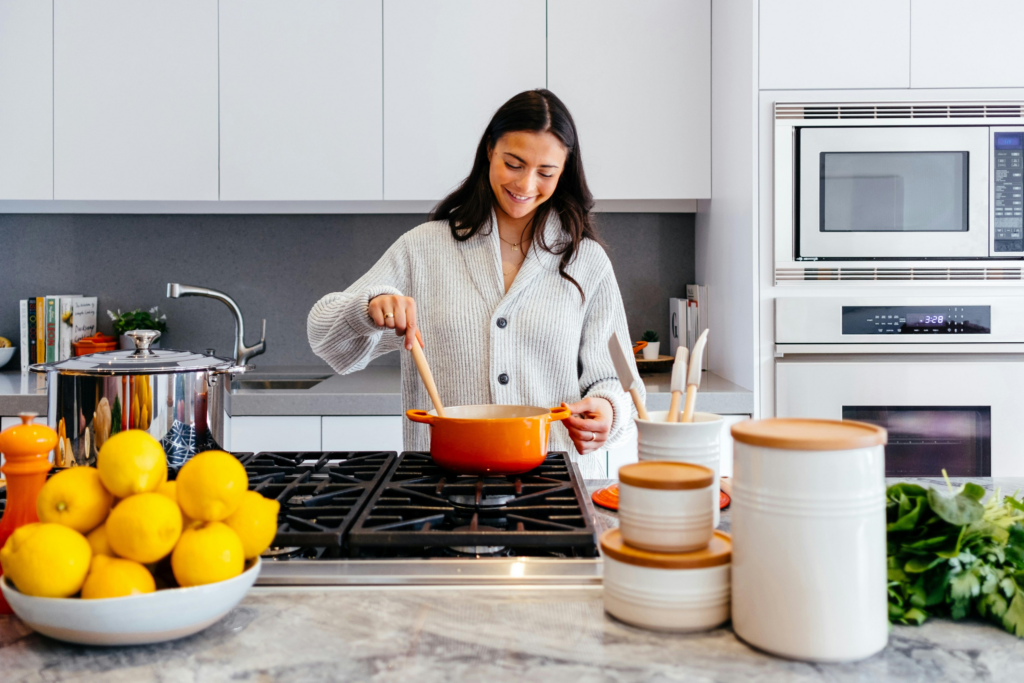
Modern life often encourages constant stimulation, rushed schedules, and multitasking habits that leave many people mentally exhausted by the end of the day. Between work pressures, endless notifications, and irregular routines, maintaining focus and emotional balance can become increasingly difficult. As a result, more individuals are searching for practical habits that encourage mindfulness, consistency, and greater self-discipline in everyday life. One surprisingly effective solution is developing intentional cooking routines that support both mental clarity and healthier daily structure.
Simple cooking rituals create opportunities to slow down and focus on physical tasks that require attention and patience. Even small kitchen habits, such as preparing vegetables carefully, measuring ingredients, or learning how to cook shrimp with care, can encourage mindfulness while reducing mental clutter. These repetitive actions provide structure and help individuals temporarily disconnect from distractions that often contribute to stress and poor concentration throughout the day.
Many wellness experts emphasize that discipline is not built through occasional bursts of motivation but through small, repeatable behaviors practiced consistently over time. Cooking naturally reinforces this idea because meals require planning, preparation, timing, and follow through. Unlike passive entertainment or convenience based habits, preparing food actively engages the mind and encourages responsibility. Over time, these routines may strengthen patience, focus, and personal accountability in subtle but meaningful ways.
The Psychological Benefits of Repetition
Daily rituals often play an important role in emotional regulation and mental wellness. Repetitive activities can provide comfort because they create predictability in environments that may otherwise feel overwhelming or chaotic. Cooking routines are especially effective because they involve sensory engagement through sight, smell, texture, and movement. These sensory experiences can help people become more grounded and mentally present during stressful periods.
The kitchen also provides a space where progress feels visible and achievable. Completing a meal from start to finish creates a sense of accomplishment that may positively influence motivation in other areas of life. Small successes matter because they reinforce the idea that discipline is developed gradually through consistent action rather than dramatic transformation. This mindset can reduce pressure while making healthier routines feel more sustainable over time.
Cooking as a Form of Mental Reset
Many people use cooking as a way to transition mentally after demanding workdays or emotionally draining situations. Preparing meals requires enough concentration to redirect attention away from ongoing stressors without becoming overly complicated or mentally exhausting. Chopping ingredients, stirring sauces, or organizing cooking tools may appear simple, but these actions can encourage a calmer and more focused mental state.
Mindful cooking also promotes greater awareness around eating habits. People who prepare meals themselves are often more conscious of ingredient quality, portion sizes, and nutritional balance compared with those who rely heavily on processed foods or takeout meals. This awareness may support healthier decision making while strengthening the connection between physical wellbeing and mental clarity.
Building Discipline Through Preparation
Discipline often grows through preparation rather than willpower alone. Individuals who create cooking routines typically become more intentional about grocery shopping, meal timing, and kitchen organization. These habits encourage planning and consistency, two qualities that frequently influence productivity and emotional stability outside the kitchen as well.
Meal preparation also teaches delayed gratification. Instead of immediately satisfying hunger through convenience foods, cooking requires patience and attention before enjoying the final result. This process can strengthen self-control while reinforcing the value of effort and consistency. Even simple dishes encourage people to follow steps carefully and remain present throughout preparation.
For some individuals, learning how to cook shrimp with care becomes an example of how precision and patience improve results over time. Shrimp cooks quickly and can easily become overdone if neglected for even a short period. Paying close attention during preparation encourages focus and reinforces the importance of timing, awareness, and careful observation. These same principles often apply to broader personal habits related to productivity, health, and emotional discipline.
The Role of Environment in Habit Formation
Healthy routines are easier to maintain when the environment supports them. A clean and organized kitchen may encourage more consistent meal preparation while reducing unnecessary stress during cooking. Small environmental improvements, such as keeping nutritious ingredients accessible or preparing tools in advance, can make healthy behaviors feel more manageable and automatic.
People often underestimate how strongly physical spaces influence behavior. Cluttered environments may increase distraction and frustration, while organized spaces tend to support concentration and calmness. Creating a peaceful cooking environment with intentional routines may therefore contribute not only to healthier meals but also to improved emotional wellbeing and mental focus.
Cooking routines can also strengthen personal identity over time. Individuals who regularly prepare meals at home may begin to view themselves as more disciplined, self sufficient, and health conscious. This identity shift is important because long term habits are often easier to maintain when they become part of how people see themselves rather than temporary goals driven by short term motivation.
Encouraging More Intentional Living
Many modern habits encourage speed and convenience above all else. While convenience has practical benefits, constantly rushing through meals and daily responsibilities may contribute to stress, distraction, and poor self awareness. Intentional cooking routines encourage individuals to slow down and engage more thoughtfully with everyday tasks that are often treated as obligations rather than meaningful activities.
Preparing food can become an opportunity to practice patience, attention, and gratitude in small but consistent ways. Cooking also reminds people that discipline is rarely built through perfection. Instead, it develops gradually through repetition, awareness, and a willingness to continue showing up even when routines feel ordinary or repetitive. These lessons extend beyond nutrition and influence how individuals approach work, relationships, and personal growth.
As interest in mental wellness and healthier living continues to grow, simple cooking rituals remain one of the most accessible ways to support clarity, discipline, and emotional balance. By approaching meal preparation with greater intention and consistency, individuals may discover that everyday habits inside the kitchen can positively shape mindset, focus, and overall wellbeing far beyond the dining table.