
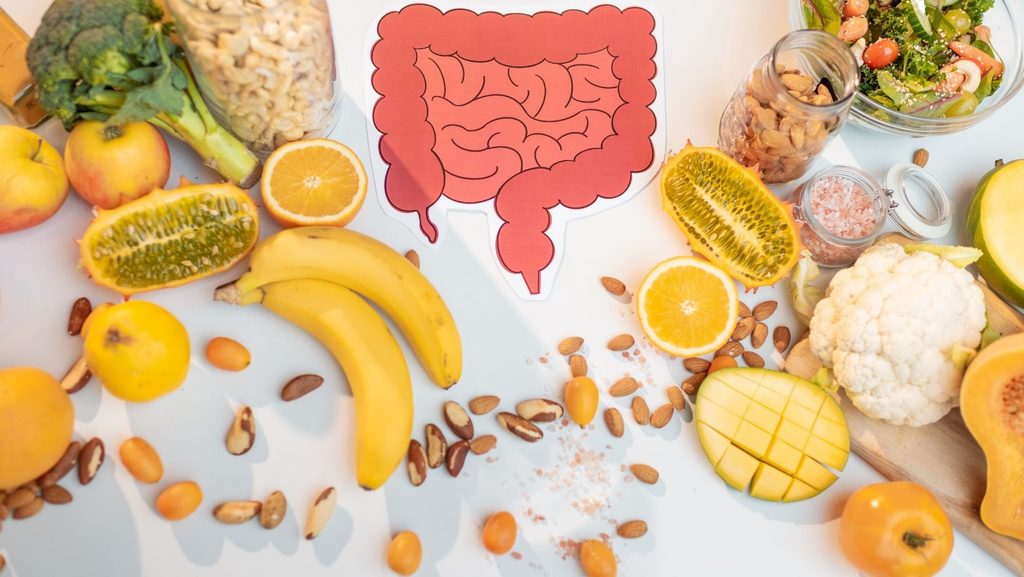
When I first stumbled upon Ayurvedic principles, I was skeptical but hopeful. I had been struggling with bloating and discomfort after almost every meal. A friend recommended visiting gut health foods best and worst the ayurvedic way on Ask Ayurveda, the world’s largest Ayurvedic portal. After reading personal stories and insights on how Ayurveda can help gut health, I decided to purchase a customized herbal formulation recommended for digestive issues. Within weeks, my bloating eased, and I felt an incredible sense of lightness. This experience transformed my daily life, proving how powerful Ayurveda can be.
Core idea explained
In Ayurveda, gut health is seen as the foundation of overall well-being. Understanding which foods support or hinder this balance is crucial. When discussing which foods are best and worst for gut health from an Ayurvedic perspective, we often think of foods that are easy to digest versus those that cause stress on the digestive system. You might be wondering, “Why does my gut health matter?” Well, a healthy gut can enhance energy levels, improve mood, and even boost your immune system.
What it means in simple words
Simply put, gut health refers to how well your digestive system functions and how well it absorbs nutrients from food. Ayurveda offers a unique lens to view this, intertwining the health of our gut with our body’s constitutions, or doshas.
Why people search for this topic
Many are searching for holistic approaches to common issues like bloating, gas, or even constipation. Plus, people are becoming more aware of how intricate and vital gut health is when it comes to overall health. Reading about foods that align with Ayurvedic practices can provide practical solutions and encourage a deeper awareness of our eating habits.
Ayurveda perspective
Ayurveda emphasizes balance in the body. A healthy gut, according to Ayurvedic principles, is a Sattva (pure) quality filled with prana (life energy). Vata, Pitta, and Kapha are the three doshas that can affect digestion. Foods that are too heavy, like processed ones, aggravate Pitta and lead to digestive distress, while too much raw food can create Vata imbalances.
Ayurvedic principles involved (simple, patient-friendly)
Within Ayurveda, it’s believed that a balanced diet includes a mix of all six tastes: sweet, sour, salty, bitter, pungent, and astringent. Incorporating these flavors not only satisfies cravings but also ensures a variety of nutrients reach your gut. Imagine my friend Sarah, who was constantly gassy and uncomfortable after meals. She learned about these tastes and implemented a more diversified diet with herbs and spices from her local market. Six months later, she’s now thriving!
Typical patterns people notice in real life
Real-life experiences often echo these teachings. Many patients report noticing patterns between certain foods and their gut symptoms. Jasmine, for example, found that dairy products made her feel sluggish and bloated. After eliminating them, her energy took a vibrant turn, strengthened by Ayurvedic teas that aid digestion. These narratives highlight the power of mindful eating.
Practical guidance
Incorporating Ayurveda into your daily routine can be effortless. Start with a ‘dinacharya’ or daily routine tailored to your constitution. This includes eating at regular times, consuming warm, well-cooked foods to enhance digestion, and using spices like ginger, cumin, and turmeric, which are renowned for their digestive properties.
Daily routine tips (dinacharya-style, simple)
- Start your day with warm lemon water to kick-start digestion.
- Include a variety of cooked vegetables in your meals, ensuring they’re spiced appropriately for your dosha.
- Chew your food thoroughly to ease the digestive process.
What to avoid (common mistakes)
It’s easy to make mistakes when dealing with diet. Here are a few: overloading on raw foods, consuming too much cold or dry food, and eating during stress. I had a slip when I tried an all-juice detox; my stomach rebelled! Remember, Ayurveda promotes moderation, not extremes!
Safety and when to seek medical help
While Ayurvedic practices can benefit many, it’s crucial to be aware of red flags. Symptoms like consistent pain, alarming changes in bowel movements, or severe discomfort after meals should prompt consultation with a healthcare professional. Avoid self-prescribing or making drastic changes without guidance.
Conclusion
In summary, understanding gut health foods best and worst the ayurvedic way can empower you to transform your health. Embrace simple Ayurvedic basics and see how they can enhance your life. If my journey—and those of people like Sarah and Jasmine—can inspire even one person, then it’s worth sharing. Try out these tips, explore more on Ask Ayurveda, and don’t hesitate to share this article!
FAQs
1. Can Ayurveda help with long-term digestive issues?
Yes, Ayurveda looks at the root cause and provides a tailored approach that can help manage and even resolve chronic digestive issues.
2. What foods are generally good for gut health in Ayurveda?
Foods that are warm, well-cooked, and easy to digest, such as khichdi, steamed vegetables, and spices like ginger and cumin are excellent choices.
3. Are there any specific diseases Ayurveda addresses effectively for the gut?
Ayurveda can assist with conditions like IBS, gastritis, and bloating, focusing on personalized dietary recommendations and lifestyle practices.